
2026-09-12 ·
Documenting A Bed Bug Issue For Parsippany Landlords
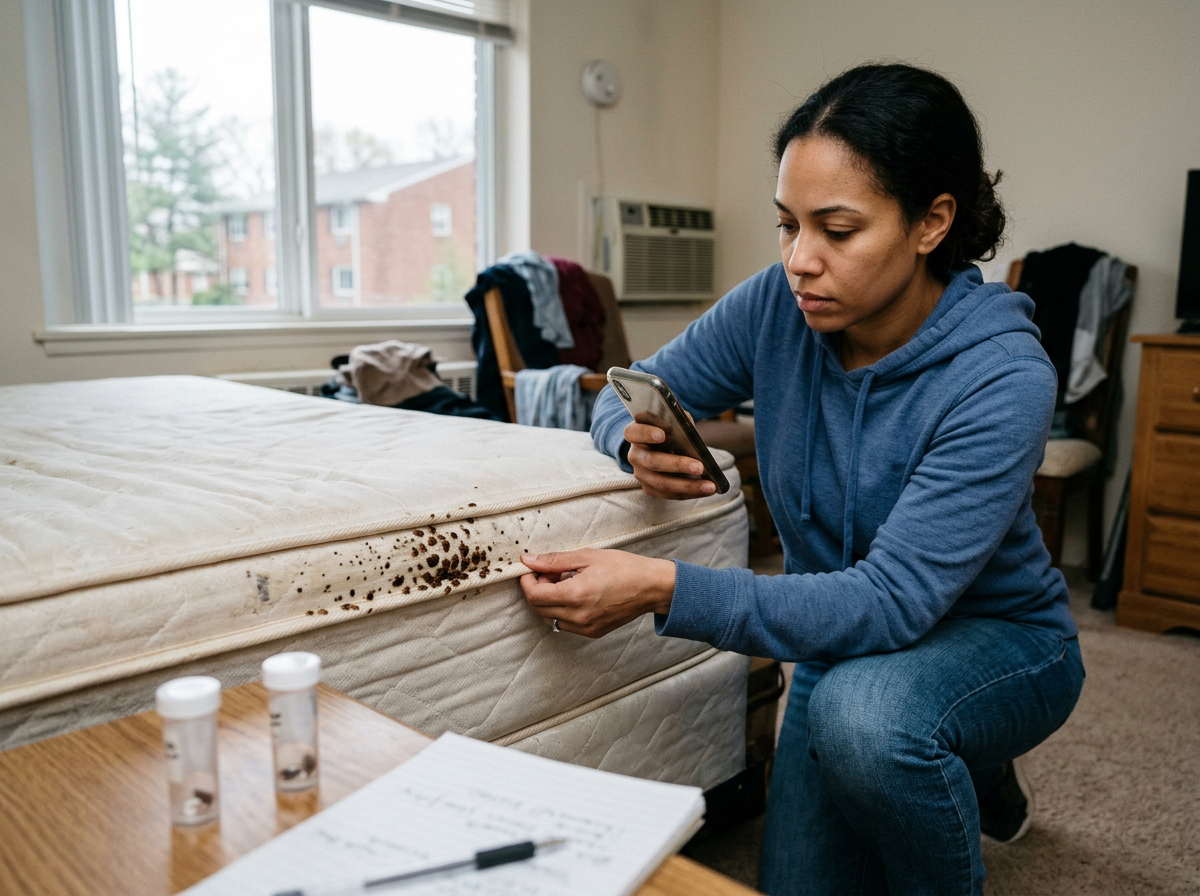
Parsippany landlords can document a bed bug issue by maintaining dated logs of sightings, collecting tenant statements, photographing evidence, and noting unit layouts in shared-wall buildings. This approach creates a timeline that tracks spread through common walls and hallways, which is common in dense New Jersey housing stock. Records also help when coordinating with treatment providers who need details on affected rooms before starting work.
Logging Sightings and Tenant Reports
Maintain a simple spreadsheet or notebook with columns for date, unit number, room, and description of what was seen. Include the time of day and any items moved during the check. When tenants report bites or bugs, record their exact words without adding interpretation, then ask them to sign and date the entry. This creates a chain of information that shows when issues began in one unit and whether they appeared in adjacent apartments. In Parsippany buildings with older construction, note any gaps around pipes or baseboards where bugs could travel between units. Update the log after every visit or call so patterns become visible over weeks rather than months.
Photographing Evidence and Mapping Units
Take clear photos of live bugs, shed skins, and fecal spots using a phone camera with a ruler or coin for scale. Photograph the same spots from multiple angles and include the room number in each frame. Create a simple floor plan sketch for each unit showing where evidence appears, then mark shared walls with neighboring apartments. Store all images in a dated folder on a computer rather than only on a phone. These visuals support later decisions about whether heat treatment or another method fits the layout, especially in buildings where furniture placement affects heat circulation.
Coordinating With Professional Services
When patterns suggest spread beyond one unit, contact a local provider for an inspection that includes multiple apartments. Share the log and photos ahead of the visit so the technician can focus on high-risk areas. After the inspection, request a written summary that lists findings by unit and any recommended next steps. This document becomes part of the overall record and helps landlords decide whether to schedule bed bug treatment or explore bed bug heat treatment for older housing stock. Keep copies of all service reports together with the internal log.
Tracking Treatment Outcomes and Follow-Up
After treatment, schedule follow-up checks at set intervals and record any new sightings or absence of activity. Note which rooms were cleared first and whether issues returned near shared walls. Compare these notes to the original map to see if the chosen method addressed the full scope. When results vary across units, add the details to the file so future inspections can target remaining spots more precisely. Consistent records also help when reviewing cost factors for bed bug treatment in Parsippany NJ for similar properties.
Maintaining Records Over Time
Store all documentation in one secure location, either digital or paper, with backups of photos and reports. Review the file quarterly to spot recurring units or seasonal patterns tied to summer rentals or commuter travel. When new tenants move in, share only the portions of the record that affect their unit without disclosing unrelated details. This ongoing file supports practical management of bed bug issues across Parsippany properties without unnecessary disruption.